




As parents, we want to give our children every possible advantage in life. We sign them up for sports, help them with their math homework, and encourage their creative passions. But there is one foundational skill that directly influences a child’s self-esteem, classroom participation, and future career path more than almost any other: clear, confident speech.
When children mumble, rush their words, or speak too quietly, adults and peers often struggle to understand them. Over time, this can cause a child to withdraw, feeling like their ideas don’t matter.
The good news? Clear speech isn’t an innate talent—it is a muscular and habit-based skill. In today’s Ask MyTutorLesson, speech coach Bill Patti breaks down four fun exercises to eliminate mumbling, build breath control, and set your child up for lifelong leadership.
“My children speak so poorly that it is difficult to understand them at times. How can I help them speak better, build confidence, and prepare for a successful future career?”
To help your children improve their speech clarity, focus on three core physical mechanics: opening their mouths wider, pacing their words, and projecting their voices outward.
Clear communication is a cornerstone of leadership. It allows future professionals to build trust, articulate complex ideas, and inspire those around them. When you teach a child to speak clearly, you aren’t just correcting their diction—you are teaching them that their voice has value.
Children learn best through play! Instead of constantly nagging them to “Stop mumbling!” try these four gamified techniques to build their vocal habits naturally:
Speech requires muscle memory. Have your child say a sentence very slowly while making large, exaggerated lip, jaw, and tongue movements. This strengthens the facial muscles needed for crisp enunciation.
Kids who mumble often speak too fast. Ask your child to repeat a single sentence three different ways:
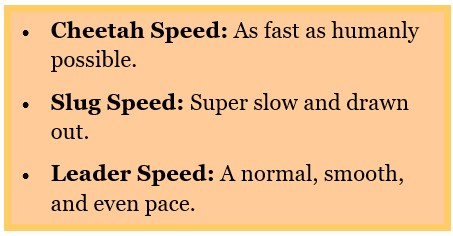
This game teaches children how to consciously control their speaking speed rather than running on autopilot.
Instead of interrupting your child mid-thought when they mumble (which can kill their confidence), establish a secret code word or hand gesture—like tapping your ear or touching your lips. This gently reminds them to open their mouth and project without frustrating them.
Projection comes from the diaphragm, not the throat. Have your child blow bubbles, or race cotton balls across a tabletop using drinking straws. These games strengthen their lung capacity so they can speak loudly and clearly without straining.

Exercises build the muscles, but daily habits build the mindset. Here is how you can support your child’s vocal growth at home:
Why focus on speech at an early age? Because vocal clarity directly shapes how the world perceives a future leader:
 If your child is struggling with speech clarity, anxiety, or vocal projection, you don’t have to navigate it alone. At MyTutorLesson, Bill Patti works with students of all ages to transform quiet mumbling into clear, articulate leadership presence.
Give your child the gift of confident communication.