


Use code NEWSTUDENT at checkout & save 20% off your first order (any number of lessons)


Breaking into the world of voice acting is about far more than just having a “good voice.” It’s a specialized craft that sits at the intersection of technical skill, business savvy, and raw performance art. Whether you’re dreaming of narrating sweeping audiobooks, voicing the next iconic video game hero, or becoming the definitive sound of a global brand, the path from aspiring talent to working professional requires a strategic roadmap. From setting up a broadcast-quality home studio to mastering the nuances of a script, here are 11 essential tips to help you find your unique sound, land your first gigs, and build a sustainable career in the booth.

QUESTION: I’ve always dreamed of becoming a voice actor. Can you offer me some important tips on how I can learn the voice business and be successful?
ANSWER: If you want to try your hand—or rather, your throat—at this type of vocal performance, you’re probably wondering where and how to begin. Start right here, by learning and practicing these 11 steps to help you refine your craft and start landing a new career.

Since voice acting is, at its heart, acting, it’s crucial to understand the fundamentals of the craft. Enroll in acting school, attend acting workshops, take classes, or watch (and listen to) the greats through an analytic lens. Voiceover-specific programs are offered at many institutes as well.
Studying acting should be the first step for any voice actor. All good voice acting has, at its base, a character, an action, and circumstances. My first piece of advice is to take some acting classes. Then go to classes or find a coach for voiceover who can work closely with you.

Become familiar with your own voice and its various elements (pitch, pace, pause, tone, volume accent, emphasis, and intonation) by reading aloud. Try injecting characterization into dialogue if reading a novel (is the character happy or sad? young or old? engaged or disinterested?), or perform your best professorial narration if reading e-learning modules.
Practice scripts that fit your voice and style. “Watch commercials. Listen to them carefully. Pay attention to delivery elements such as breathing, articulation, and inflections, and try it out yourself. Create some scripts from the ones you like and think are right for your voice, and then practice like crazy.
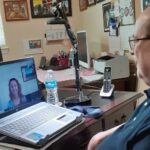
Hire a voice acting coach
Since voice acting is extremely complex, consider working with a voice acting coach to refine your skill set and connect you with casting calls and industry contacts.
Our voices sound vastly different on recordings than they do to our own ears. Everyone has the capability to record him or herself—even if it’s on your smartphone—just do it. See what kind of range you can create by reading one piece of copy.

With so many different types of voice acting roles available, it’s helpful if you can focus on what really highlights your skill set. There are big differences in role type. Generally, a TV read supports the picture, a read for radio is bigger in that it creates the picture, and video games are even bigger and more dramatic. If you have a flair for the dramatic, you might be more inclined to take on video game voiceover jobs. If your voice has been compared to David Attenborough’s, you may find yourself more often in the educational narration realm. Lean into the role type that feels best for you and always keep improving your technical capabilities. The common factors throughout voice acting are acting ability and knowing how to make choices.
The demo reel is a one-minute collection of brief excerpts that you can send to agents and directors to showcase your talents. “Don’t rush to make a demo too soon. You’ll be wasting your money. First, know your strengths, know how to analyze and execute a piece of copy, and know how to take direction. Once you have those skills locked down, edit together snippets from any professional recording jobs or from your own amateur recordings if you haven’t landed a gig yet. Include your biggest and best roles, your range, and create the perfect voiceover demo reel.

Search for casting calls on audition databases and dedicated voice talent sites. Look for roles that fit your voice type and capabilities and practice the part thoroughly before your audition. For your audition:
Get your voice heard by marketing yourself as a voice actor in the following ways. Create a professional online presence: Make a voice acting website and post voice reels on your social media pages using hashtags like #voiceover, #voiceactor, #voiceacting, and #vo. This will help you engage in the community, highlight your work, and discover new clients.
A voice acting agent can help grow your career by connecting you with casting calls and advocating on your behalf.

You can get a list of franchised talent agencies from SAG-AFTRA, or the Voice Over Resource Guide.
Once you’ve landed a few voiceover gigs, continue your voice acting practice by trying out different scripts, auditioning, and building your portfolio. Before you know it, you could be the voice (actor) of a generation.

On Sundays, Tuesdays, and Thursdays we invite you to “Ask MyTutorLesson” a question about how to improve your voice. Your question can be answered by our Voice and Speech Teacher, Bill Patti. Do you have a question? Please contact us at info@mytutorlesson.com.