


Use code NEWSTUDENT at checkout & save 20% off your first order (any number of lessons)
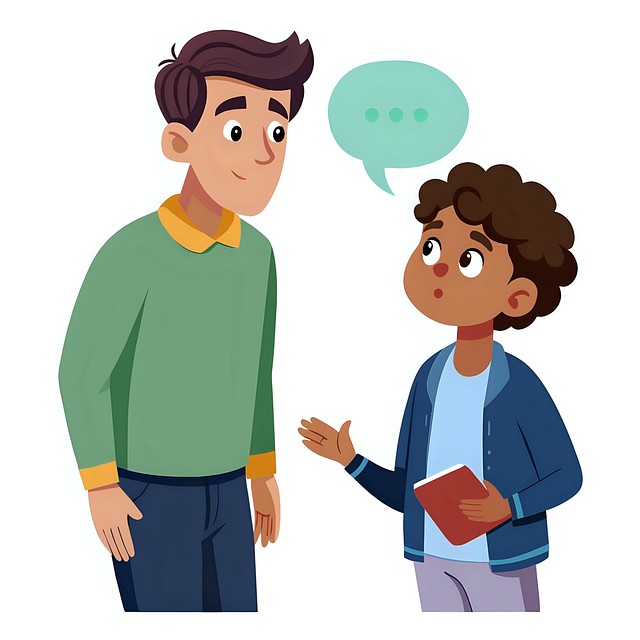
Communication is more than just the words we choose; it is the confidence behind the breath and the clarity of the delivery. For a child, finding their voice is a pivotal milestone that goes far beyond school presentations or stage performances — it is about the fundamental ability to express thoughts, needs, and emotions with conviction. While we often focus on literacy and vocabulary, voice coaching offers a unique, specialized pathway to refine a child’s natural resonance, helping them transform a quiet whisper or a hurried mumble into a powerful tool for connection.

QUESTION: What is the perfect age for my child to begin voice and speech communication training? What important areas of speaking should be covered in those lessons?
ANSWER: Voice lessons for kids are generally recommended to start between the ages of 8 and 12. Keep in mind that basic, fun, and non-strenuous training can start as early as 6 or 7.
The focus for young children should be on posture, breathing, and pitch-matching rather than intense technique. Key indicators for readiness include the child’s interest, vocal maturity, and their ability to focus. You may consider contacting a trusted voice and speech coach for their input. Find one who is experienced with children, offers a special kid’s speaking voice course, and displays great patience.
It’s never too early to begin training your child to be a better, more successful communicator. This is a soft skill that will continue to remain vitally important now, and into the future.
To encourage speech in young children, narrate daily activities (like bath time or meals), read together daily, and expand on their words, such as turning “car” into “blue car.”
 Narrate Daily Life: Talk about what you are doing, seeing, and hearing while running errands or playing.
For older children developing their public speaking skills, focus on practicing with passion, using simple key messages, and ensuring good posture to build confidence.

| Benefit |
Impact |
| Social Ease | Reduces anxiety when meeting new peers or adults. |
| Academic Success | Improves performance in oral reports and class participation. |
| Leadership | Teaches them how to persuade and inspire others effectively. |
| Self-Correction | Helps them become aware of “filler words” and mumbling early on. |

You don’t need a stage to improve. These low-pressure activities can help reinforce what they learn:


On Sundays, Tuesdays, and Thursdays we invite you to “Ask MyTutorLesson” a question about how to improve your voice. Your question can be answered by our Voice and Speech Teacher, Bill Patti. Do you have a question? Please contact us at info@mytutorlesson.com.