

Use code NEWSTUDENT at checkout & save 20% off your first order (any number of lessons)
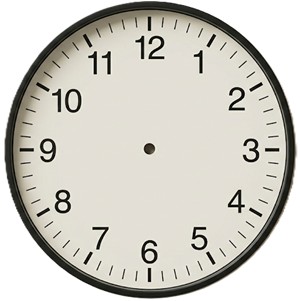
Monday Math is all about practicing the basics: addition, subtraction, multiplication, and division facts; greater than and less than; fact families; telling time; giving change; etc. This week, we’re going to practice with telling time.
 Mastering the analog clock is a fundamental milestone that bridges the gap between abstract numbers and the steady rhythm of our daily lives. While digital displays provide instant answers, learning to interpret the dance of the hour and minute hands helps students develop a spatial understanding of how time actually flows. Whether you are a teacher looking to build a classroom worksheet or a parent guiding a child through their first “half-past” or “quarter-til,” practicing with a clear, handless clock face is the perfect way to turn a complex concept into a hands-on skill.
On a standard clock there are 12 hours marked off numerically and the “short hand” points to the current hour.
There are 60 minutes and the “long hand” points to the current minute. Each of the smaller lines between the numbers represents a minute. Each number would be five minutes. 5 ∙ 12 = 60 minutes in an hour.
Today we are practicing basic skills – only using the multiples of 5 for our minute hand.
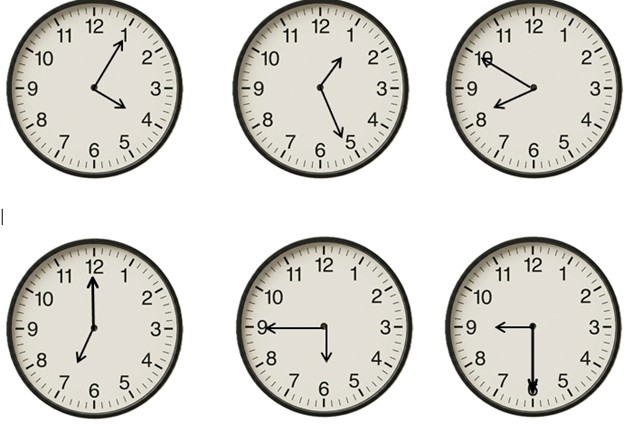
1:45 6:10 10:25
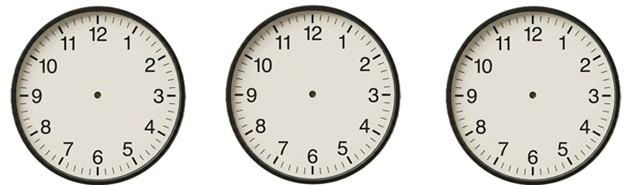
7:20 3:50 9:30
4:50 8:15 2:00
Want more practice? This is a website I like to use for my students: k5learning.com
If your student needs assistance, needs a study buddy, or wants to improve their grade in math, please sign up for class(es) at MyTutorLesson – Math.
Have a math practice you’d like to see here? Please, drop a line at info@mytutorlesson.com.