

Use code NEWSTUDENT at checkout & save 20% off your first order (any number of lessons)
Can a Poor Speaking Voice Support a Voice Acting Career?

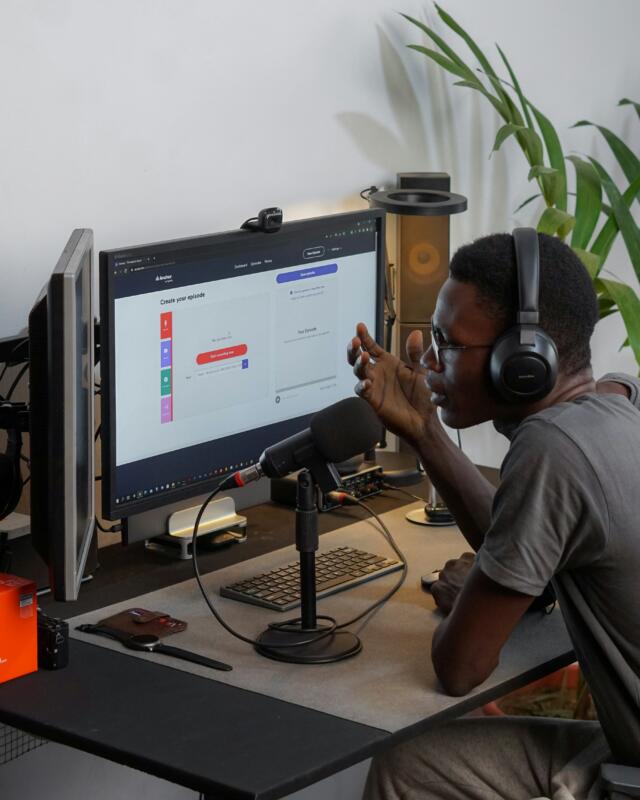
Man in dark crew neck t-shirt wearing black headphones talking into microphone sitting in a home workspace.

Can a Poor Speaking Voice Support a Voice Acting Career?

Can a Poor-Sounding Voice Support a Career in Voice Acting?

Podcaster making video podcast from his home studio.
Image by Onur Binay via Unsplash

Many aspiring performers believe that to become a successful voice actor, you must be born with a naturally deep, smooth, or radio-polished speaking voice. However, modern casting trends have completely transformed the industry, opening up endless possibilities for non-traditional voices.

In this week’s Ask MyTutorLesson, Voice and Speech Teacher Bill Patti explains why acting talent, emotional connection, and distinctiveness far outweigh having a “perfect” vocal tone in today’s voice-over market.


❓ Question of the Week

“My voice is hard to listen to, untrained, and not smooth. Is there any room for my type of voice to support a career as a future voice acting talent?”

Aspiring Voice Actor

🎙️ The Reality of Modern Voice Acting

You do not need a traditionally “excellent” or smooth voice to build a successful career as a voice actor. Voice acting is first and foremost a branch of acting — meaning success depends far more on your performance skills, emotional range, and technical precision than on a naturally pleasing tone.

In fact, casting directors today actively seek unique, unusual, or imperfect voices because they stand out in character work, animation, and relatable commercial campaigns far better than a generic, polished voice.


What Matters Most

  • Acting Ability:

    You must convey authentic human emotion, interpret script subtext, and adapt your delivery instantly based on direction.
  • Versatility:

    Being able to sound excited, anxious, monotone, or aggressive on command is vastly more valuable than a pleasant baseline voice.
  • Distinctiveness:

    Quirky, raspy, high-pitched, or rough voices cut through the noise and leave a lasting impression on listeners.

Essential Non-Vocal Skills

  • Mic Technique:

    Controlling your distance, managing breath support, and eliminating harsh mouth noises.
  • Audio Editing:

    Learning software like Audacity (free and open-source) or Adobe Audition to clean and deliver raw audition files.
  • Business Hustle:

    Marketing yourself, auditioning daily, and managing client relationships like a true small business.


🔄 Industry Shifts: Past vs. Present

The voice-over industry has undergone a massive evolution. Brands and studios no longer want over-the-top, booming announcers — they want authentic people who sound relatable and human.

Industry Era

Voice Style Demanded

Typical Delivery Tone

Years Ago

Deep, booming, highly polished, and uniform

Formal, authoritative, and high-pressure sales pitch

Today

Natural, conversational, imperfect, and relatable

Vulnerable, warm, authentic “person-next-door” read

Key Modern Trends

  • Conversational Styles:

    Modern audiences tune out formal broadcasts in favor of natural, everyday speech rhythms.
  • Authenticity:

    Brands prioritize emotional honesty over artificial perfection.
  • Diversity & Inclusion:

    Clients actively hire actors from varied cultural, regional, and ethnic backgrounds to mirror real-world demographics.
  • Niche Specialization:

    High-quality home studio equipment allows actors with specialized or unconventional tones to thrive in niche markets worldwide.


💡 Quick Summary Checklist

3 Steps to Kickstart Your Voice Acting Journey:

  • [  ] Focus on Acting First: Take acting or improv classes to build your performance foundation.
  • [  ] Embrace Your Uniqueness: Lean into what makes your natural voice distinct instead of trying to sound like someone else.
  • [  ] Master Home Audio: Invest in a clean recording setup and learn basic editing software.


Launch Your Voice Career with MyTutorLesson

Man in dark crew neck t-shirt wearing black headphones talking into microphone sitting in a home workspace.
Image by Oladimeji Ajegbile via Unsplash

Ready to refine your vocal technique, build an audition routine, and discover your unique voice-over niche? At MyTutorLesson, our personalized voice and speech coaching programs help aspiring actors and speakers build confidence, clarity, and industry-ready skills.