


Use code NEWSTUDENT at checkout & save 20% off your first order (any number of lessons)


QUESTION: I spend many weekends going to sporting events or concerts. I find my voice takes several days to sound normal again after yelling or screaming at these events. Can you actually damage your vocal cords by shouting or yelling?
ANSWER: Yes, you can absolutely damage your vocal cords by shouting or yelling. Doing so forces air through the cords violently, leading to swelling, inflammation, or even ruptured blood vessels. While one instance usually heals with rest, repeated yelling can cause permanent damage, such as vocal nodules.

We’ve all been there: cheering at a massive concert, screaming over the noise at a crowded restaurant, or losing our temper during a heated argument. The next morning, your voice is a raspy, gravelly whisper. It’s easy to dismiss it as a temporary nuisance, but it begs a serious question: Can you actually do permanent damage to your vocal cords just by yelling? The short answer is a resounding yes. While our voices are remarkably resilient, intense screaming can inflict immediate, physical trauma on your vocal folds, sometimes leading to long-term complications that require medical attention.
For anyone who relies on their voice for their livelihood—teachers, executives, public speakers, or coaches—the voice is an invisible instrument. Yet, we often treat it with a level of carelessness we’d never show a physical tool. Shouting is the ultimate form of vocal debt; it demands massive exertion for a momentary spike in volume, leaving your throat raw and your communication compromised. When a professional speaker loses their pitch, modulation, or stamina, they lose their ability to command a room, influence an audience, or teach a class effectively.

To understand why yelling hurts, we have to look at the mechanics of phonation (sound production). Your vocal cords (or vocal folds) are two delicate bands of muscular tissue positioned across the top of your windpipe. When you speak normally, air from your lungs passes through them, causing them to vibrate and chop the airflow, creating sound waves.
Think of normal speech as gently clapping your hands together. It’s a rhythmic, low-impact contact. Shouting, however, is the equivalent of slamming your palms together as hard as you can, hundreds of times a minute. The sheer velocity of the air pushes the vocal folds to collide with violent force. This intense friction causes immediate inflammation, swelling, and fluid buildup.
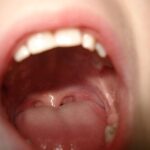
It is vital to distinguish between a temporary vocal “hangover” and a true structural injury:
Watch out for the following warning signs:

You don’t have to live your life in a vow of silence to protect your throat. It all comes down to safe volume management and smart recovery. If you’ve lost your voice or feel a strain after yelling, try the following recovery methods:
Your voice is your primary tool for connection, teaching, and leadership. Treating it with the respect it deserves means recognizing that volume should never come at the cost of your health. The next time you feel the urge to scream over a crowd or shout across a room, remember that your voice isn’t just a tool—it’s an asset. Learning to command a room shouldn’t require sacrificing your vocal health.
Want to learn how to captivate an audience, reduce vocal fatigue, and project with absolute confidence?
We help professional speakers, educators, and executives master the art of impactful, strain-free communication. Whether you are looking to build vocal stamina, master public speaking, or refine your professional presence, our tailored coaching programs will give you the tools to speak powerfully without breaking your voice. Ready to elevate your speaking voice?


On Sundays, Tuesdays, and Thursdays we invite you to “Ask MyTutorLesson” a question about how to improve your voice. Your question can be answered by our Voice and Speech Teacher, Bill Patti. Do you have a question? Please contact us at info@mytutorlesson.com.