

Use code NEWSTUDENT at checkout & save 20% off your first order (any number of lessons)
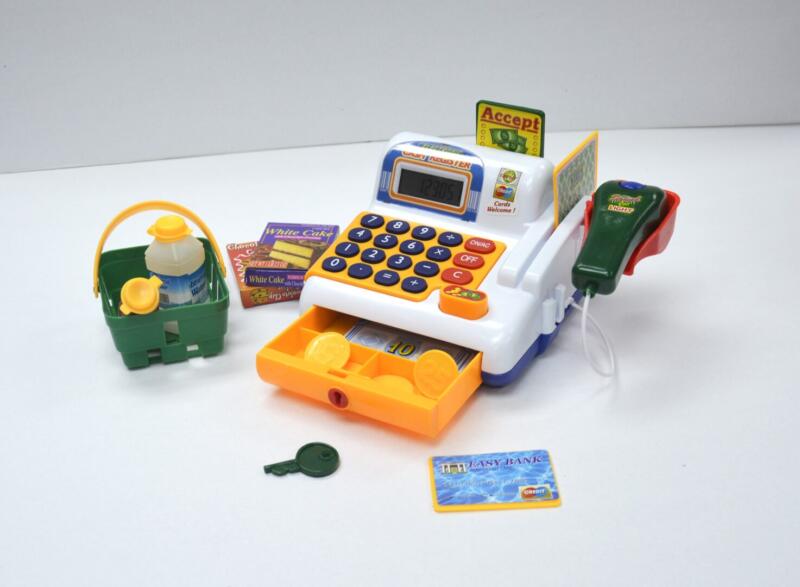
This week, we’re going to practice giving change from a dollar bill – not just how much, but how to “count it out.”

Teaching kids how to handle money is a vital life skill, but jumping straight into complex transactions can feel incredibly overwhelming. That’s why mastering the art of counting out change from a single dollar bill is the perfect, bite-sized starting point. It transforms abstract math into a tangible, real-world puzzle, helping children visualize how quarters, dimes, nickels, and pennies fit together to make a whole. Whether you are a parent looking to sharpen your child’s life skills or an educator designing a hands-on math unit, this guide and accompanying worksheet will break down the exact steps to make counting back change intuitive, rewarding, and—most importantly—fun.
Example: If something costs $0.92, then the change is 1.00 – 0.92 = 0.08. 8 cents. 8 cents is 1 nickel and then 3 pennies.
| CHANGE | QUARTERS | DIMES | NICKELS | PENNIES | ||
| 1. | $0.92 | $0.08 | 0 | 0 | 1 | 3 |
How much change would you give from a dollar for each of these? How many quarters, dimes, nickels, pennies using the fewest number of coins?
| COST | CHANGE | QUARTERS | DIMES | NICKELS | PENNIES | |
| 1. | $0.49 | |||||
| 2. | $0.23 | |||||
| 3. | fifteen cents | |||||
| 4. | $0.77 | |||||
| 5. | $0.64 | |||||
| 6. | sixty-seven ¢ | |||||
| 7. | $0.08 | |||||
| 8. | twenty-six cents | |||||
| 9. | $0.31 | |||||
| 10. | forty-three ¢ | |||||
| 11. | $0.50 | |||||
| 12. | eighty-nine cents | |||||
| 13. | $0.42 | |||||
| 14. | $0.95 | |||||
| 15. | $0.35 |
| COST | CHANGE | QUARTERS | DIMES | NICKELS | PENNIES | |
| 1. | $0.49 | $0.51 | 2 | 0 | 0 | 1 |
| 2. | $0.23 | $0.77 | 3 | 0 | 0 | 2 |
| 3. | fifteen cents | $0.85 | 3 | 1 | 0 | 0 |
| 4. | $0.77 | $0.23 | 0 | 2 | 0 | 3 |
| 5. | $0.64 | $0.36 | 1 | 1 | 0 | 1 |
| 6. | sixty-seven ¢ | $0.38 | 1 | 0 | 1 | 3 |
| 7. | $0.08 | $0.92 | 3 | 1 | 1 | 2 |
| 8. | twenty-six cents | $0.74 | 2 | 2 | 0 | 4 |
| 9. | $0.31 | $0.69 | 2 | 1 | 1 | 4 |
| 10. | forty-three ¢ | $0.57 | 2 | 0 | 1 | 2 |
| 11. | $0.50 | $0.50 | 2 | 0 | 0 | 0 |
| 12. | eighty-nine cents | $0.11 | 0 | 1 | 0 | 1 |
| 13. | $0.42 | $0.58 | 2 | 0 | 1 | 3 |
| 14. | $0.95 | $0.05 | 0 | 0 | 1 | 0 |
| 15. | $0.35 | $0.65 | 2 | 1 | 1 | 0 |
This game turns counting change into a fast-paced, real-world simulation. It helps kids practice subtracting from $1.00 by “counting up” from the price of the item to reach a dollar.
Pro-Tip: use real coins if possible! The distinct weights, textures, and sizes of real quarters and dimes provide excellent tactile feedback that helps kids remember their values much better than plastic play money.
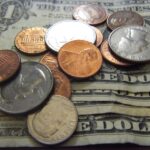
Bringing together hands-on play, visual worksheets, and real-world practice is the secret ingredient to making math click. By transforming a tricky concept like subtracting decimals into an interactive “Dollar Store Dash,” you strip away the intimidation and replace it with confidence. Download the free counting change worksheet below, gather up some spare coins from around the house, and set up your own mini-market today. You’ll be amazed at how quickly those abstract numbers turn into practical, everyday skills your child will use for a lifetime!
 Want more practice? This is a website I like to use for my students: k5learning.com
If your student needs assistance, needs a study buddy, or wants to improve their grade in math, please sign up for class(es) at MyTutorLesson – Math.
Have a math practice you’d like to see here? Please, drop a line at info@mytutorlesson.com.