


Why Does My Voice Sound Different on Recordings?

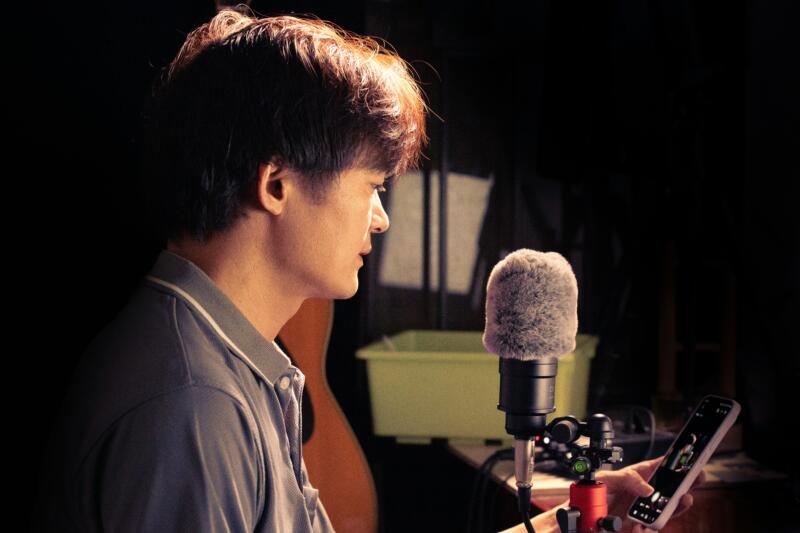
A person recording a podcast voice memo on a smartphone

Why Does My Voice Sound Different on Recordings?

Why Does My Voice Sound Different on Recordings?

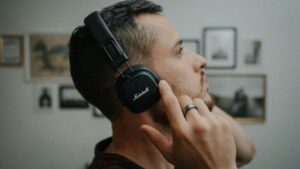
A person listening on headphones.
Image by Andrik Langfield via Unsplash
Have you ever listened to an audio recording or video clip of yourself and thought, “Is that really what I sound like?” Disliking the sound of your own voice on recordings is an incredibly common phenomenon. Understanding the physical science behind why your recorded voice sounds different can help you build confidence and embrace your natural tone. In this Q&A guide, Voice and Speech Teacher, Bill Patti, explains the acoustics of recorded speech and how to objectively evaluate and improve your recorded voice.
 

Claim a Free 30-Minute Lesson!

Love this article? We want to help you take the next step.

Fill out a quick inquiry on our Contact Us page, and we will send a 1-on-1 private lesson invite directly to your inbox. 

Ask a Question: Recorded Voice Perception

Question:

Why does my voice sound so different (and higher-pitched) on recordings, and how can I get comfortable with it?

Answer:

Your voice sounds different on recordings because you hear yourself internally through bone conduction, whereas recordings capture only the air conduction that everyone else hears.

The Science & Practice of Recorded Voice

Bone Conduction

When you speak, sound travels through your skull bones directly to your inner ear, adding artificial low-frequency bass.

vs. Air Conduction

Recordings capture only air waves, making your voice sound slightly higher to your own ears.

  • Trust What Others Hear: The recorded version is actually how you sound to the outside world! Realizing that others are already accustomed to this sound helps reduce initial self-consciousness.
  • Focus on Clarity, Not Pitch: Instead of worrying about pitch, listen back to recordings to evaluate articulation, pacing, and breath support.
  • Record Yourself Regularly: Desensitization is key. Recording 30-second voice memos weekly removes the novelty factor and helps you listen objectively.
  • Use Forward Resonance for Warmth: If you want a warmer recorded sound, focus on deep belly breath support and lifting your soft palate rather than forcing your voice lower.

Professional Voice Coaching with MyTutorLesson

Ready to love your voice on podcasts, videos, and presentations? At MyTutorLesson, our expert speech training helps you develop a rich, authentic voice you feel proud to share.


Claim a Free 30-Minute Lesson!

Love this article? We want to help you take the next step. Fill out a quick inquiry on our Contact Us page, and we will send a 1-on-1 private lesson invite directly to your inbox. Choose between a Math Masterclass or a Speaking & Voice Coaching Session.



📋 How It Works (Step-by-Step)

  1. Click the button below to go to our Contact Us page.
  2. Fill out Step 1 of the form with your name, email address, and phone number.
  3. On Step 2 (the inquiry section), write a quick note mentioning which blog post you read and whether you want a Math or Speaking/Voice
  4. Check your inbox within 24–48 hours for our email to confirm your scheduled time.

⚠️ Terms & Conditions (The Fine Print)

  • Limit: Strictly one free 30-minute lesson per student/household across the entire mytutorlesson.com site.
  • Eligibility: Valid for new students only. Existing or actively enrolled students are not eligible.
  • Verification: To qualify, the second page of the contact form must include a specific inquiry mentioning this promotional offer and your preferred subject track.
  • Expiration: Lesson booking links must be redeemed and scheduled within 30 days of form submission.
  • Under 18 Policy: For students under the age of 18, a parent or guardian must submit the contact form and attend the initial session.