


Use code NEWSTUDENT at checkout & save 20% off your first order (any number of lessons)


The first 60 seconds of any speech are the most critical. This is the exact window where your audience decides whether they are going to lean in and listen, or pull out their phones and check out. Yet, so many speakers waste this golden opportunity on boring logistics, quiet mumbling, or nervous throat-clearing.
If you notice your audience looking distracted the moment you step up to the microphone, the solution isn’t necessarily your voice — it is your launchpad.
In today’s Ask MyTutorLesson feature, we are breaking down a proven, actionable blueprint from our speech and presentation coaching files to help you command the room from your very first word.
“When I give speeches, I notice the audience is not really paying attention to me as I begin to talk. How can I grab their attention quickly with my opening comments? Catchy opening statements could help me make sure they are receiving my important messages.”
Capturing a room instantly requires you to bypass the traditional, boring “housekeeping” items and hit them with an immediate, bold opening statement. Your goal at the start of a speech is to shock, intrigue, or emotionally connect with your listeners before you ever introduce yourself.
Once you have hooked their attention, you can smoothly transition into stating your topic, establishing your background credibility, and laying out your roadmap.
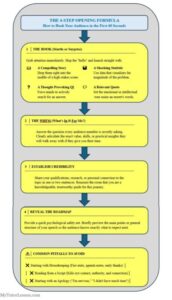
Mastering the beginning of your presentation builds immediate trust and gives the audience a clear reason to keep listening. Follow this simple, four-step structure to craft a high-impact introduction every single time:
Grab attention immediately. Do not say hello just yet — start with one of these four powerful magnets to pull the audience into your world:
An audience is inherently asking themselves what they stand to gain from your speech. Clearly articulate the exact value, skills, or insights they will walk away with if they give you their valuable time.
Briefly share your qualifications, professional research, or personal connection to the topic. You don’t need to read a full resume — just share a quick sentence that reassures the audience that you are a knowledgeable, trustworthy guide.
Briefly preview the main points or the overall structure of your speech. Giving the audience a quick layout of the journey ahead keeps them comfortable and engaged.
Certain opening habits act like a snooze button for your listeners. When preparing your introduction, make sure you strictly avoid these three classic missteps:
A great speech introduction doesn’t just change how the audience hears you — it changes how you feel. When you open with a rock-solid, structured hook, the audience’s immediate positive reaction gives you a surge of confidence that carries you through the rest of your presentation.
 Are you ready to eliminate stage fright, refine your vocal delivery, and write presentations that leave a lasting impact? Whether you are preparing for a major corporate keynote, a classroom lecture, or an important business pitch, we can help you find your voice.
Explore our personalized Speech & Public Speaking Coaching programs designed to turn nervous speakers into captivating leaders. [Book your coaching session today at MyTutorLesson!]
Do you have a public speaking challenge or communication roadblock you want answered in our next blog post? Drop us a line anytime at info@mytutorlesson.com!