

Use code NEWSTUDENT at checkout & save 20% off your first order (any number of lessons)
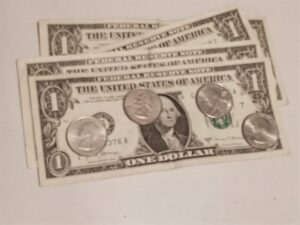 Have you ever noticed how naturally kids handle money? If you hand a child four quarters, they instinctively know they have exactly one whole dollar. Without even realizing it, they are already mastering the foundational concepts of fractional math! As educators and parents, we can easily capitalize on this real-world knowledge to introduce formal fractions. By bridging the gap between everyday objects — like coins or a slice of pizza — and numerical symbols, we can make abstract math feel completely natural.
Today, we are diving into introductory fractions using visual models that turn abstract numbers into clear, bite-sized concepts.
A fraction represents part of a whole.
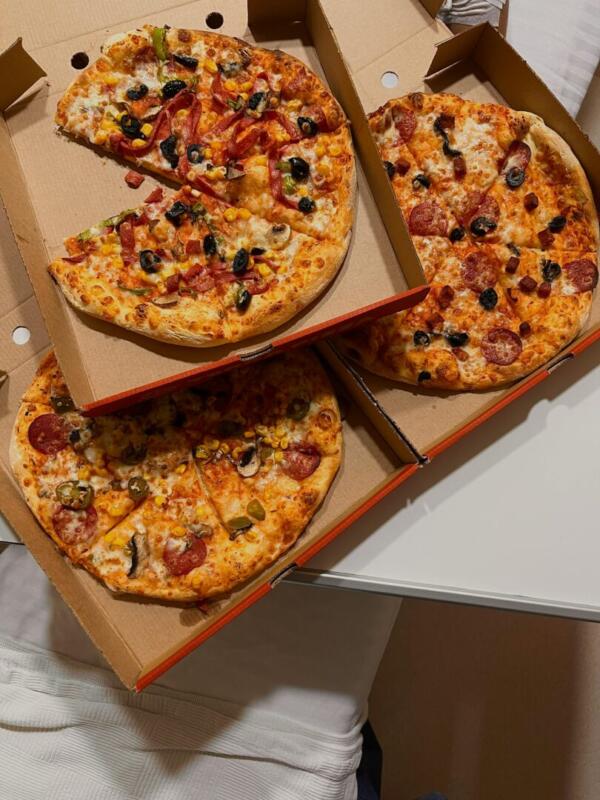
Let’s look at a classic favorite: Pizza!
If we take one whole pizza and cut it into four equal slices, the total number of slices is 4. If you eat one of those slices, you have eaten ¼ (one-fourth) of the pizza.
Have you ever volunteered to split a giant cookie or a slice of cake with a friend? If you cut it down the middle, do you want the “bigger half” or the “smaller half?”
Think about it — so does your friend! But wait… in math, is there even such a thing as a bigger half? Nope! Halves must be exactly equal.
To make sure it’s perfectly fair, try the ultimate trick: One person cuts, and the other person chooses their piece first. When you play by this rule, the person cutting will try extra hard to make sure both pieces are exactly identical and equal. Give it a try next time you share a treat!
Parents and teachers, copy and print this quick practice section for your student!
Directions: Look at the shaded shapes below. Write the correct fraction on the line next to each shape.
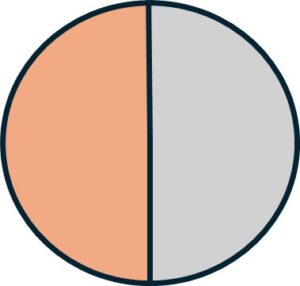 The Pizza Slice: What fraction of the pizza has been removed from the plate?
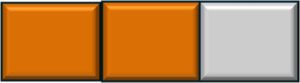
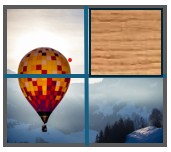 The Window Pane: Part of the window is covered with a board. What fraction of the window are you able to see to the outside?
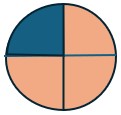 randma left a pie to cool on the counter. When she returned, she found that part of the pie had been eaten. What fraction of the pie has been eaten (the blue portion?
Turn practice into a hands-on game with items you already have at home!
Building a strong foundation in math takes consistency, but it should also be fun. If you are looking for even more high-quality printables and visual exercises to keep your student sharp, K5 Learning is a fantastic resource that I highly recommend and regularly use with my own students.
 If your student needs some extra assistance, is looking for a dedicated study buddy, or wants to confidently improve their math grades, we are here to help. Explore our personalized, engaging classes and sign up today at MyTutorLesson – MathEducational Tutoring.
Do you have a specific math practice or topic you would love to see featured in our next blog post? We want to hear from you! Please drop us a line anytime at info@mytutorlesson.com .